
By Patricia Dorsey April 7, 2026
Contractors and service businesses in Ohio depend on steady cash flow to keep operations running smoothly. Whether it is a roofing company waiting on a final payment, an HVAC company collecting a service fee, or a plumbing business requiring a deposit before starting work, getting paid on time is essential. However, many businesses still struggle with delayed checks, unpaid invoices, or the inconvenience of collecting payments in person.
Today’s customers expect simple and flexible payment options. Many homeowners prefer paying quickly over the phone rather than mailing checks or logging into complicated payment systems. When businesses cannot offer convenient payment options, it often results in payment delays, missed deposits, and administrative frustration.
This is where virtual terminal payment processing is changing how contractors and service providers operate. A virtual terminal allows businesses to securely accept payments over the phone by manually entering card details into a secure system. This enables contractors to collect deposits immediately, process final payments more quickly, and reduce the risk of unpaid invoices.
For service businesses looking to improve efficiency and customer satisfaction, virtual terminals are becoming an essential payment tool. By enabling remote payment processing without requiring physical equipment, they help businesses operate more professionally and improve financial stability.
What Is a Virtual Terminal and How Does It Work?

A virtual terminal is a secure web-based payment application that allows businesses to process credit and debit card payments without needing a physical card reader. Instead of swiping or tapping a card, the business enters the customer’s card details into a secure online dashboard.
This type of system is commonly used for card-not-present payments, which include phone payments, invoice payments, and manually entered transactions.
The typical payment process is straightforward. A customer calls to make a payment; the business logs into their payment system, enters the card details, confirms the transaction, and the payment is processed. Funds are then deposited into the company’s business account in accordance with the provider’s funding schedule.
This simplicity makes virtual terminals especially useful for contractors who may not always be physically present to collect payments or who operate from multiple job locations.
Why Contractors and Service Businesses Are Adopting Phone Payment Processing
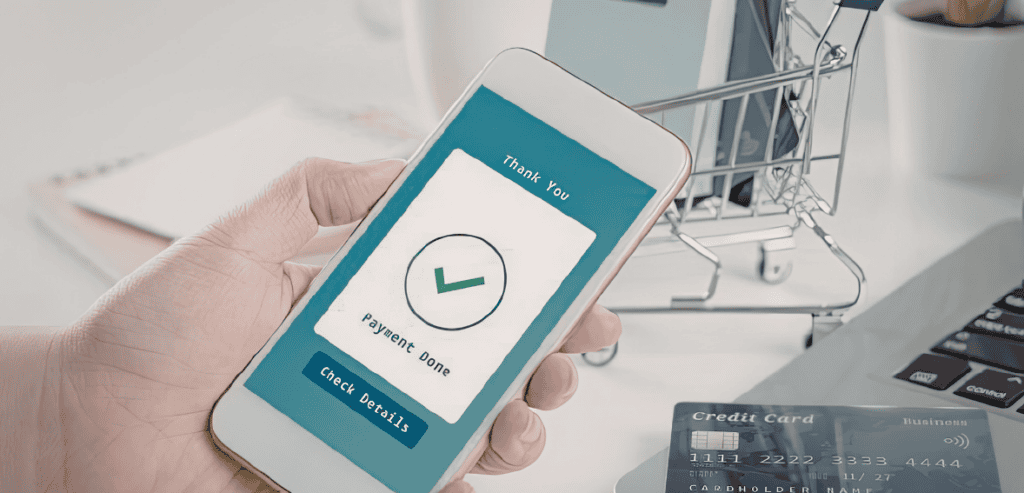
Contractors often face payment delays due to the way the service is structured. Estimates are approved days or weeks before work begins, and final invoices may not be paid immediately after job completion.
Phone payment processing for contractors helps eliminate these delays by allowing businesses to collect payments during customer conversations rather than waiting for follow-ups.
This approach provides several operational advantages. Businesses can secure deposits while scheduling work, process payments immediately after project completion, and reduce time spent chasing unpaid invoices.
Customers also benefit from this system because it removes friction from the payment process. Instead of taking extra steps to pay, they can complete transactions in minutes while speaking with the business.
Common Situations Where Virtual Terminals Help Service Businesses
Virtual terminals are valuable because they solve everyday payment challenges contractors face. They provide flexibility that traditional payment systems often lack.
Deposit Collection Before Starting Projects
- Secure upfront project deposits
- Confirm scheduling commitments
- Reduce last-minute cancellations
- Cover initial material costs
Final Payment Collection After Job Completion
- Process payments immediately after work is finished
- Avoid sending multiple invoice reminders
- Eliminate return visits just to collect payment
- Improve technician efficiency
Emergency Service Payment Handling
- Process urgent repair payments quickly
- Collect after-hours service charges
- Accept insurance deductible payments
- Reduce billing delays for emergency jobs
Recurring Service Billing
- Maintenance agreements
- Seasonal service plans
- Membership programs
- Preventive service packages
These situations demonstrate why contractor payment solutions must be flexible enough to support real-world service operations.
Key Benefits of Virtual Terminal Payment Processing

Virtual terminals offer more than convenience. They directly impact financial stability, operational efficiency, and customer satisfaction.
Faster Payment Collection Improves Cash Flow
Delays in payments can create serious financial pressure on contractors. Waiting for checks to arrive or invoices to be paid can slow business growth.
Virtual terminals allow businesses to accept payments over the phone and process transactions immediately. This reduces accounts receivable balances and improves financial predictability.
Faster payments enable businesses to pay suppliers on time, invest in growth, and avoid short-term borrowing due to payment delays.
Reduced Administrative Burden
Manual payment collection often requires repeated follow-ups, invoice tracking, and reconciliation work. Virtual terminals simplify this process by centralizing payment records.
Most systems include reporting dashboards that help businesses track transactions, monitor payment activity, and maintain accurate records.
Administrative Advantages
- Centralized payment tracking
- Digital transaction history
- Automated receipts
- Simplified reconciliation
- Accounting software integration
Reducing administrative workload allows office staff to focus on customer service and growth activities rather than collections.
Improved Customer Payment Experience
Customer experience extends beyond the quality of work performed. The payment experience also shapes how customers view a business.
Providing remote payment processing shows professionalism and modern business practices. Customers appreciate businesses that make payments simple, fast, and secure.
Convenient payment options often lead to faster payments and higher customer satisfaction.
Stronger Payment Security Controls
Security is critical when handling card-not-present payments. Virtual terminals typically include safeguards designed to protect customer data and reduce fraud risks.
Security Protections
- Encrypted payment processing
- Address verification checks
- Fraud monitoring systems
- Secure login authentication
- Compliance with payment security standards
Using secure systems protects both the business and the customer while maintaining trust.
No Equipment Investment Required
Traditional point-of-sale systems often require hardware purchases. Virtual terminals typically operate through web browsers, eliminating the need for physical devices.
Most businesses only need the following:
Basic Setup Requirements
- Computer or tablet
- Secure internet connection
- Payment processing account
- Staff login credentials
This low barrier to entry makes virtual terminals an accessible payment system for businesses.
How Virtual Terminals Help Reduce Late and Missed Payments
Late payments are not always caused by unwilling customers. Often, they result from inconvenient payment processes.
Virtual terminals remove these barriers by allowing businesses to process payments immediately during phone conversations.
Instead of sending reminders and waiting days for responses, businesses can collect payments instantly.
This approach reduces the following:
- Outstanding invoices
- Collection follow-ups
- Payment disputes
- Revenue uncertainty
Improved payment timing leads to stronger financial management.
Best Practices for Accepting Payments Over the Phone
While accepting phone payments is simple, businesses should establish professional procedures to ensure consistency and security.
Train Employees on Secure Payment Handling
Employees responsible for processing payments must understand proper data handling procedures.
Staff Security Practices
- Enter card data directly into secure systems
- Never store sensitive card data
- Avoid writing card details on paper
- Use strong passwords
- Log out after transactions
Following these practices helps maintain compliance and reduce security risks.
Always Provide Clear Payment Confirmation
Providing customers with immediate confirmation improves transparency and reduces confusion.
Businesses should confirm receipts, confirmation emails, or transaction references.
Confirmation Best Practices
- Send email receipts
- Provide transaction confirmation numbers
- Reference invoice numbers
- Confirm payment amounts
Clear communication improves trust and reduces disputes.
Establish Clear Payment Policies
Professional contractors operate with clear payment expectations. Policies should be communicated before work begins.
Important Payment Policy Elements
- Required deposit amounts
- Payment deadlines
- Late payment terms
- Cancellation policies
- Refund terms
Clear expectations prevent misunderstandings and protect revenue.
Using Deposits to Protect Contractor Revenue
Deposits are one of the most effective ways to protect contractor finances. Materials, labor scheduling, and preparation costs all require financial commitment before work begins.
Virtual terminals make deposit collection immediate and convenient.
Businesses can request deposits as soon as estimates are approved, ensuring customers are financially committed before resources are allocated.
This helps businesses reduce cancellations, cover upfront expenses, and plan work schedules more confidently.
Supporting Business Growth With Better Payment Systems
Modern payment tools do more than process transactions. They support scalability and operational improvement.
Expanding Service Coverage Areas
When payment collection is no longer tied to physical visits, contractors can serve customers beyond their immediate geographic area.
Remote payment acceptance supports business expansion without adding an administrative burden.
Supporting Field Service Teams
Technicians can focus on completing work while office teams manage billing remotely. This division improves productivity and reduces delays.
Building a More Professional Brand Image
Customers often judge a business’s credibility by its professionalism. Offering modern payment options shows that a company is organized, reliable, and customer-focused.
Businesses that accept multiple payment methods often appear more established and trustworthy.
Supporting Long-Term Customer Relationships
Virtual terminals often allow businesses to maintain secure customer profiles for repeat transactions.
Customer Retention Benefits
- Faster repeat payments
- Easier maintenance billing
- Simplified recurring services
- Better service continuity
Streamlined billing strengthens long-term relationships.
Features Contractors Should Look for in a Virtual Terminal
Choosing the right system ensures long-term success. Contractors should prioritize usability and operational value.
Important Virtual Terminal Features
- Easy transaction entry
- Fast authorization times
- Mobile accessibility
- Invoice compatibility
- Reporting dashboards
- Customer profile storage
Selecting the right features ensures the system supports daily operations.
Mistakes Contractors Should Avoid With Phone Payment Processing
Even good systems can fail if used incorrectly. Avoiding common mistakes ensures maximum benefit.
Delaying Payment Requests
Businesses should request payment as soon as possible. Waiting increases collection difficulty.
Limiting Payment Options
Offering only checks limits convenience. Accepting cards improves payment speed.
Failing to Communicate Terms
Unclear payment terms lead to disputes. Written policies prevent confusion.
Policy Mistakes To Avoid
- Undefined payment timelines
- Missing deposit terms
- Unclear refund rules
- No cancellation terms
Clear communication prevents these issues.
The Future of Payment Technology for Service Businesses
Digital payment adoption continues to increase across service industries. Customers increasingly expect remote payment options.
Contractors who adopt virtual terminal payment processing today position themselves for future expectations.
Payment Trends Shaping Contractor Businesses
- Increased remote transactions
- Growth of digital invoicing
- Expansion of mobile payments
- Automated billing adoption
- Integrated financial platforms
Adapting to these trends helps businesses remain competitive.
Conclusion
Ohio contractors and service businesses must balance operational efficiency with customer expectations to remain competitive. While technical skill and service quality remain essential, the ability to collect payments quickly and securely is equally important for maintaining financial health. Virtual terminals provide a practical solution by allowing businesses to accept payments over the phone, collect deposits faster, and reduce delays caused by traditional billing processes.
By implementing virtual terminal payment processing, contractors can streamline financial workflows, enhance customer convenience, and improve revenue predictability. Businesses that invest in modern payment capabilities today position themselves for stronger growth, improved customer relationships, and long-term operational stability in an increasingly digital business environment.
FAQs
What is a virtual terminal for phone payments?
A virtual terminal is an online payment tool that allows businesses to manually enter card information to process payments without needing physical card readers.
Can contractors accept deposits using virtual terminals?
Yes. Contractors commonly use virtual terminals to collect deposits, progress payments, and final invoices securely over the phone.
Are phone payments considered secure?
Yes. When processed through secure payment systems, phone payments include encryption and fraud protection safeguards.
Do virtual terminals work for small service businesses?
Yes. Virtual terminals are commonly used by small contractors, home service providers, and field service companies because they require minimal setup.
Why should contractors accept card payments over the phone?
Accepting card payments over the phone improves payment speed, reduces unpaid invoices, increases convenience, and improves overall cash flow.